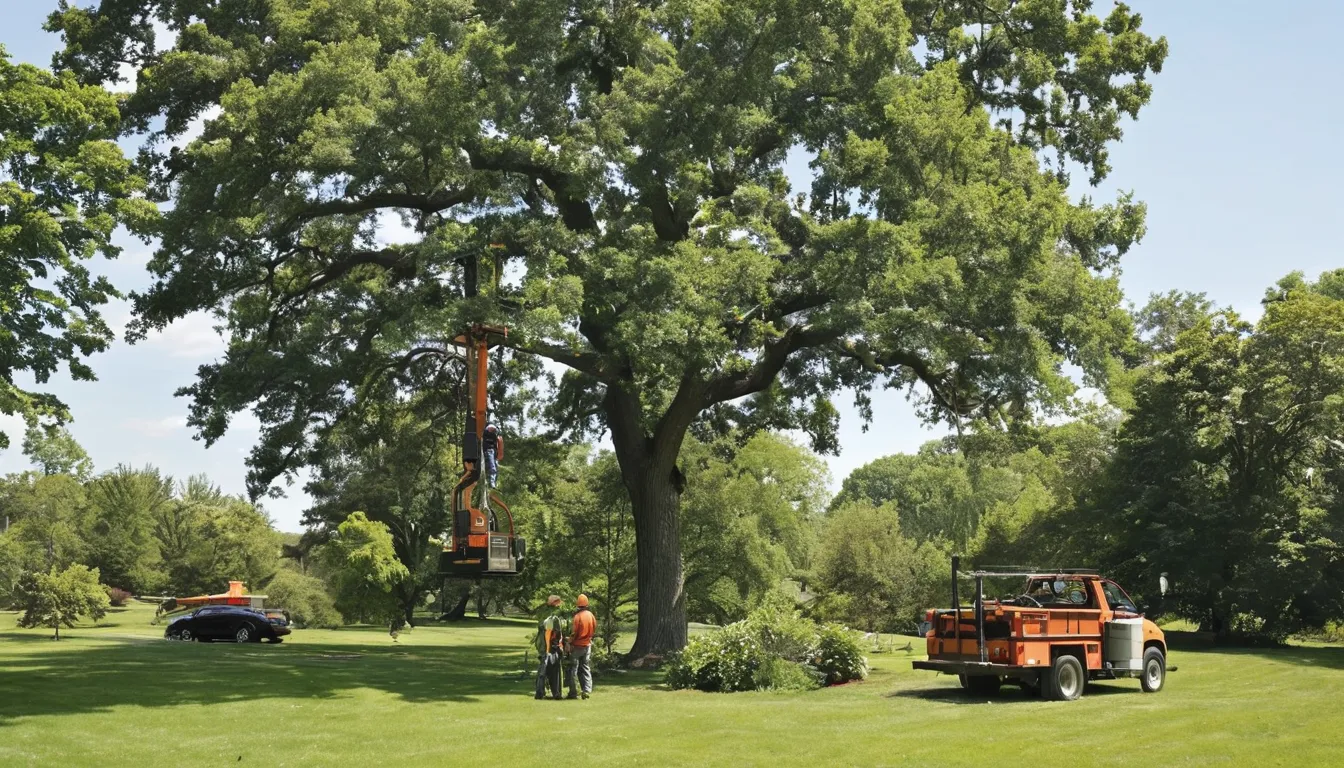
Trees give shade and charm. But a sick or damaged tree can drop limbs on your roof, car or fence. Small signs show up first. Look for cracks, a new lean, dead branches or mushrooms at the base.
Grantwitnesses Tree Service is a referral service. We do not cut or climb. We connect homeowners in the Portage area with independent local providers who remove trees. A provider looks at the tree, explains the options and gives you a written quote. On this page you will learn the warning signs, how removal works, what changes the price and how to get your photos and notes ready.
Start with the small signs
Most tree trouble begins quietly. You can spot it from the yard. Walk around the tree once a season and again after every big storm.
Cracks and splits
A crack in the trunk is a red flag. So is a split where two big stems meet. Deep frost in winter and heat in summer can widen these gaps. Take a photo and note the date.
A lean that is new
Some trees have always leaned. A new lean is different. Look for soil that has lifted or cracked on one side. That can mean the roots are letting go.
Dead branches and bare patches
Branches with no leaves in summer are likely dead. Dead wood is brittle. It can snap in wind or hail. If a large part of the crown is bare, the whole tree may be failing.
Mushrooms, soft wood and hollow spots
Mushrooms at the base can point to rot. Tap the trunk. A hollow sound is a clue. Soft, crumbly bark is another. Rot hides inside, so a tree can look fine and still be weak.
When a storm hits
Severe thunderstorms and hail can hurt trees fast. Spring flooding can loosen roots in soggy ground. If a tree is down or hanging, stay away from it. Keep kids and pets inside.
Emergency tree removal
Some jobs cannot wait. A tree on a house, a limb over a driveway or a trunk on a power line is urgent. Stay clear of any line. Call your utility about wires. Then call a provider about the tree.
A tree falling service, or storm tree clearance, means a crew cuts and hauls away the fallen tree. Many providers can respond quickly, but timing depends on the weather and their schedule.
Photos and notes first
Good records make everything smoother. Take wide shots of the whole tree and close shots of each problem. Add something for scale, like a tape measure. Write down the date and what you saw.
If a storm caused the damage, photograph the house, fence or car too. Some policies may cover sudden damage, so check your policy. Providers can often help document damage for a claim.
Why homeowners remove trees
The reasons are simple. The tree is dead or dying. It leans toward the house. Roots press on a foundation, a sump pump line or a drain. Branches rub the roof. Or the tree is just in the wrong place for a new patio or addition.
How tree removal works
First, a provider visits and looks at the tree. They check its size, its health and what sits below it. Then they give a written quote.
On the day, the crew sets up a safe zone. They climb or use a lift. They cut the tree in pieces and lower them down. Then they haul away the wood, or leave it if you ask. Big trees near a house take more care and more time.
What changes the price
Size matters most. Tall trees cost more than short ones. So do trees close to wires, roofs or fences. Access matters too. A tight yard with no truck room means more hand work.
Condition counts. A dead tree can be brittle and risky to climb. Extras like wood haul-away add to the bill. Costs vary a lot by job, so always get a written quote.
Permits and local rules
Some towns require a permit to remove a tree. Rules often cover large or protected trees. Trees near the street or a property line may have extra rules. Check with your city or town office before work starts. A provider in your network can often tell you what to ask.
Choosing a provider
Ask if the provider carries liability insurance and workers' compensation. Ask for proof. Ask for a written quote that lists the work, the cleanup and the stump plan. Be wary of anyone who wants full payment up front or pushes you to decide on the spot.
Getting ready for removal day
Move cars out of the driveway and off the street if you can. Clear patio furniture, toys and grills from the work zone. Tell neighbors that a crew is coming. Keep pets inside. Mark sprinkler heads and buried lines if you know where they are.
After the tree comes down
Walk the yard with the provider. Check that the debris is gone and that fences and lawns are fine. Take after photos. Keep the quote, the invoice and your before photos in one folder.
Think about the stump
A cut tree leaves a stump. You can leave it, or have it ground down below the soil. Ask about stump grinding when you get your quote, so the plan is clear from the start.
Ready to take the next step?
If a tree worries you, do not wait for it to get worse. Gather your photos and notes, then ask for an estimate from a provider in our network. There is no obligation.
What's Included
Full Tree Takedown
A provider cuts the tree in safe sections and lowers each piece to the ground.
Storm Clearance
Providers can clear fallen or hanging trees after severe thunderstorms, hail or heavy flooding.
Hauling and Cleanup
Many providers remove branches and logs, rake the yard and leave the work zone tidy.
Written Quote
Ask the provider for a clear written quote that lists the work, the cleanup and any extras.
Typical Tree Removal Costs
Prices depend on the tree, the site and the risk. These are typical U.S. ranges only. Your cost may be higher or lower, so ask a provider for a written quote before work starts.
| Item | Typical range | Notes |
|---|---|---|
| Small tree, under 30 ft | $150 – $800 | Easy access keeps the price down |
| Medium tree, 30 – 60 ft | $400 – $1,500 | Height and nearby buildings matter |
| Large tree, over 60 ft | $1,000 – $3,000+ | Often needs a lift or extra crew |
| Dead or storm-damaged tree | $500 – $3,500+ | Risk and urgency can raise the price |
| Tree near wires or roof | $800 – $3,500+ | Extra care and gear are needed |
| Wood haul-away | $75 – $500 | Depends on how much wood there is |
How It Works
Spot the Problem
Check the trunk, branches and base. Look for cracks, a new lean, dead wood or mushrooms.
Take Photos and Notes
Snap wide and close shots. Write the date and what changed since you last looked.
Call or Request
Request a callback to check provider availability, or use the form to ask for an estimate.
Compare Written Quotes
Review the work, cleanup and stump plan in each quote, then choose the provider you trust.
Why Call Grantwitnesses Tree Service
Plain Answers
Learn the warning signs and the process in short, simple words, with no jargon.
Local Providers
You are matched with independent providers who work in your area.
Paperwork Ready
Our tips help you keep photos and notes ready for estimates and insurance talks.
No Obligation
Ask questions and request an estimate. You choose what to do next.
Other Services
Need tree removal in Portage?
- Independent local tree removal providers
- Stump grinding when the tree is gone
- Photo and note tips for estimates
- Written quotes, no obligation
Tree Removal FAQ
How do I know if a tree needs to be removed?
Look for deep cracks, a new lean, large dead branches, mushrooms at the base or hollow spots in the trunk. If you see more than one sign, ask a local provider to inspect the tree and explain your options.
How much does tree removal cost?
Typical U.S. prices run from about $150 for a small tree to $3,000 or more for a large or risky one. Size, access and condition change the price, so get a written quote.
Do I need a permit to remove a tree?
Some towns require one, especially for large, protected or street-side trees. Rules differ by location. Check with your city or town office before work begins, and ask the provider what they know.
Request a callback
Questions about a tree or stump? Request a callback or send a request. Share a few photos and notes, and a local provider can follow up with a written quote.
No obligation