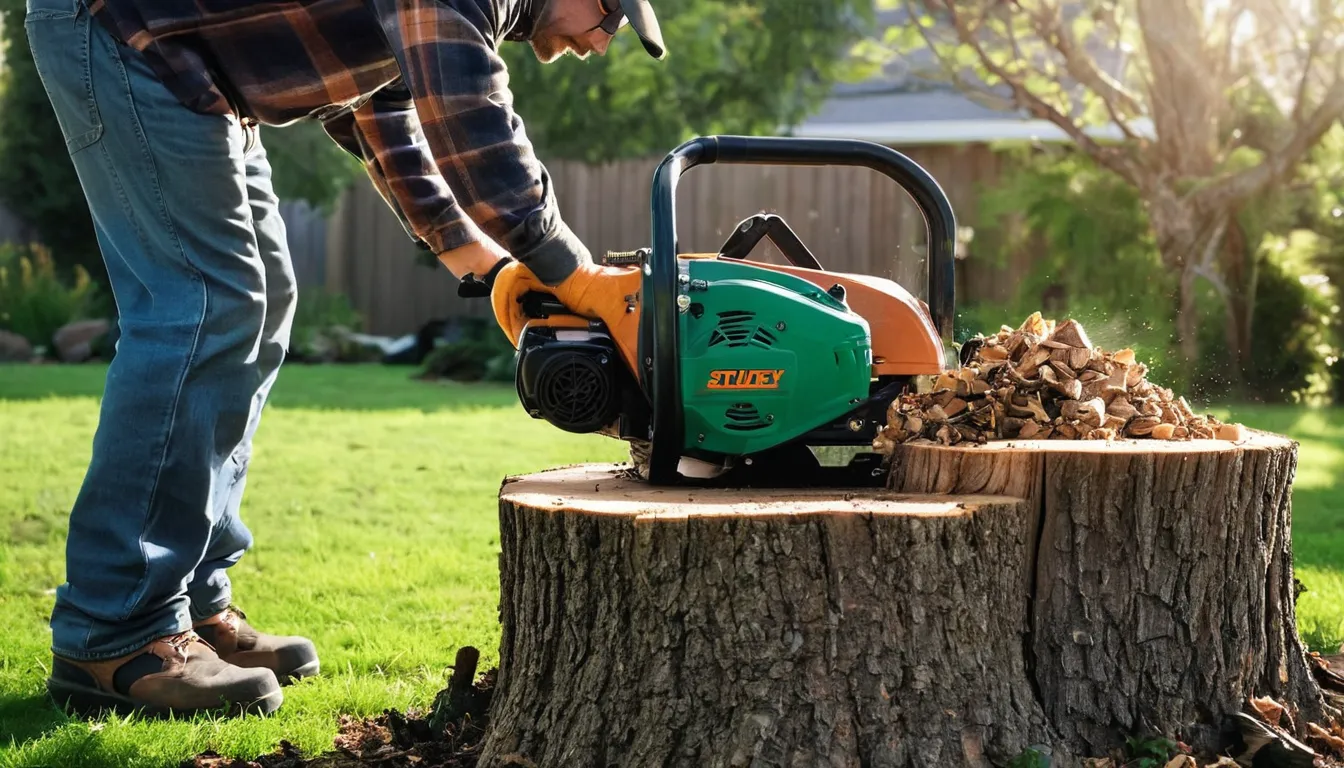
A stump looks harmless. But it can sprout, rot, attract bugs and trip people. Small signs first: new shoots, soft wood, mushrooms and ants. Each one tells you the stump is not done causing trouble.
Grantwitnesses Tree Service is a referral service. We do not grind stumps. We connect homeowners in Portage and the Portage area with independent local providers who do. A provider uses a machine with a spinning wheel of teeth. It chews the stump down below the soil line. You keep your yard, and you lose the tripping hazard. Take a few photos, jot down notes, and request an estimate. It takes a few minutes.
Is an old stump bugging you?
It may be time to grind it. A stump is the part of the trunk left in the ground after a tree comes down. It does not go away on its own. It can sit there for years.
Stump grinding is the fix most homeowners want. A machine shreds the wood into chips. The stump drops below the surface, and you can plant or mow over the spot.
Spot it early: signs a stump is causing trouble
Small signs first. If you catch them early, the fix stays simple and small.
New shoots and suckers
Suckers are thin new stems that grow from the stump or the roots. Some trees try hard to grow back. Cutting the shoots only works for a while.
Mushrooms and soft wood
Mushrooms on or near a stump mean the wood is rotting. Press a screwdriver into it. If it sinks in easily, the wood is soft. Rot can spread to nearby roots.
Ants, termites and other pests
A rotting stump is a cozy home for insects. Ants and termites may move in. Termites are small wood-eating bugs. If you see them near a frame house, take it seriously and ask a pest pro about the house itself.
Trip spots and mower damage
A stump hidden in tall grass can hurt a child, a guest or your mower blades. Frost heave can also push stumps and roots up, making the bump worse. Heave is when frozen soil swells and shifts things.
What stump grinding is
It is a simple job. A provider rolls a grinder up to the stump. The grinder has a spinning wheel with hard teeth. The wheel sweeps back and forth and shaves the wood away.
How deep does it go?
Most providers grind several inches below the soil. Some go deeper if you want to plant a new tree. Tell them your plan before the job starts.
Grinding or full stump removal?
Grinding leaves roots in the ground. They rot slowly. For most yards, that is fine.
Full removal digs out the stump and big roots. It costs more and tears up the yard. You may want it if you plan to build on that spot. Ask the provider which fits your plan.
What changes the price
Size matters most. A wide stump takes longer than a thin one. Hard wood, big roots above the ground, and tight access also add time. A fence, a gate or a steep slope can raise the price too. Many providers charge per stump, and some set a minimum for the trip. Get a written quote before work starts.
Photos and notes for your estimate
Be paperwork-ready. It makes quotes faster and clearer.
- Take a wide photo of the stump and the yard around it.
- Take a close photo with a tape measure or ruler beside it.
- Note the width across the top, in inches.
- Write down how a machine could get in: gate width, steps, slopes.
- Mark any sprinkler heads, lights or lines nearby.
Keep these photos and notes in one folder on your phone. Photos and notes also help if you ever talk to your insurer.
Get your yard ready
Clear toys, hoses and furniture from the area. Move cars out of the driveway if the machine needs the space. Keep kids and pets inside while the grinder runs.
Buried lines are a big deal. Gas, water, power and sewer lines may run under your yard. Providers often ask you to have them marked first. Ask who handles that.
Stumps left from storm cleanup
Severe thunderstorms and hail can bring trees down. After storm tree clearance or emergency tree removal, the crew often leaves a stump behind. A tree falling service usually cuts the trunk and hauls it away, and the stump stays. Grinding is a separate step.
Wait for the ground to dry if spring flooding left the yard soft. A heavy machine can sink or leave deep ruts. A provider can tell you when the soil is ready.
Old stumps from years back
Did you inherit a stump from a past owner? Grinding still works. Very old, rotten stumps can be quicker to grind, though hidden stones or metal can slow things down.
Does insurance help?
Stump grinding on its own is rarely covered. Some policies may cover sudden damage, such as a storm that drops a tree. Check your policy. Providers can often help document damage for a claim.
What to do after grinding
The provider leaves a pile of wood chips. You have a few choices.
Use or haul the chips
Chips make good mulch for garden beds. Do not pile fresh chips against your house. They hold moisture and can draw bugs. Ask the provider if they will haul the chips away.
Fill the hole
Mix some chips with topsoil. Pack it in layers. Add more later, because the chips will settle as they rot. Then seed or lay sod.
Questions to ask the provider
- Is the price per stump or per inch?
- How deep will you grind?
- Do you haul the chips, or do they stay?
- Who has buried lines marked?
- Are you insured for damage to my yard?
- Can I get the quote in writing?
Request a callback to check provider availability in your area.
Take the next step
Start with your photos and notes. Then request an estimate. A local provider can look at the stump, name a price and set a time that suits you.
What's Included
Stump Shredding
A grinder shaves the stump into wood chips, down below the soil line.
Root Flare Work
Providers can often grind the thick roots that show above ground, so mowing gets easier.
Site Check Visit
A provider looks at size, access and nearby lines before giving a written quote for you.
Chip Cleanup
Many providers rake up the mess. Some haul chips away, and some leave them as mulch.
Typical Stump Grinding Costs
These are typical U.S. ranges. Your price depends on stump size, wood type, access and how many stumps you have. Always get a written quote before you agree.
| Item | Typical range | Notes |
|---|---|---|
| Small stump (under 12 in.) | $75 – $200 | Quick job with easy access |
| Medium stump (12–24 in.) | $150 – $400 | Most common home stump size |
| Large stump (over 24 in.) | $300 – $700 | Takes longer; may need a bigger machine |
| Multiple stumps | $100 – $350 each | Some providers offer a lower rate per stump |
| Surface roots | $50 – $250 | Priced by how many roots and how thick |
| Minimum trip fee | $100 – $200 | Some providers set a floor for small jobs |
How It Works
Spot the Signs
Look for shoots, mushrooms, soft wood, pests or a trip spot. Photograph each one.
Request an Estimate
Call or fill out the form with your photos and notes.
Meet the Provider
A provider checks the stump, access and nearby lines, then quotes in writing.
Grind and Finish
The provider grinds the stump. You then fill the hole, seed it and enjoy your yard.
Why Call Grantwitnesses Tree Service
Plain Words, Clear Steps
We explain each part of the job in short, simple terms so you know what to expect.
Independent Providers
The work is done by local providers, not by us.
Photos and Notes
Simple tips help you get clearer, faster quotes from providers.
No Obligation
Request an estimate and decide later. You choose whether to hire.
Other Services
Need home stump grinding in Portage?
- Independent local tree removal providers
- Stump grinding when the tree is gone
- Photo and note tips for estimates
- Written quotes, no obligation
Home Stump Grinding FAQ
How long does stump grinding take?
Most home stumps take under an hour each. Large stumps, thick roots or hard wood take longer. A provider can give a better idea once they see the stump and the access.
Is stump grinding the same as stump removal?
No. Grinding shreds the stump but leaves roots in the soil to rot. Removal digs out the stump and big roots. Removal costs more and disturbs more of your yard.
Does homeowners insurance cover stump grinding?
Usually not on its own. Some policies may cover sudden damage, like a storm-felled tree. Check your policy. Providers can often help document damage for a claim, so keep photos and notes.
Request a callback
Questions about a tree or stump? Request a callback or send a request. Share a few photos and notes, and a local provider can follow up with a written quote.
No obligation